
Child & Adolescent Psychology
When your child is struggling, you want someone who can meet them at their level. Our psychologists work with children and teenagers in a warm, accepting way, and with you as parents, so support carries through at home and school too.
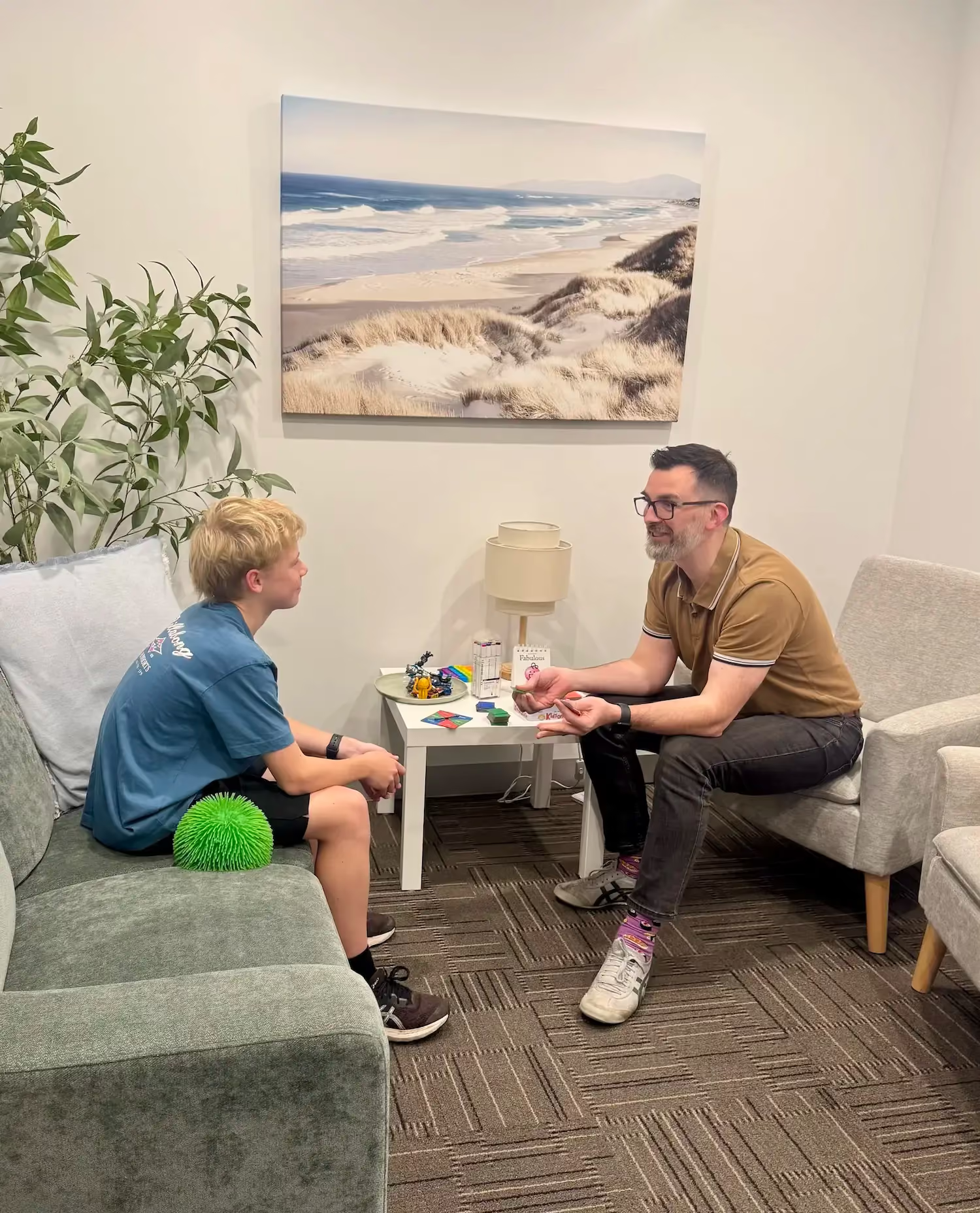
Support for your child, and for you
We take a whole-of-family approach. With your consent we may consult with parents, caregivers and teachers to understand what is happening from every angle, then work together on practical strategies your child can actually use. Parents and caregivers stay involved in a way that suits your child's age and needs, whether that is helping put strategies in place or simply staying across progress.
Our clinicians relate to young people on their level and tailor everything to their developmental stage, so sessions feel safe rather than clinical.
IQ, educational, developmental and behavioural assessments are also available if you have concerns about your child's learning or behaviour. See our assessment services for more.
What we can help with
How it works
Getting started takes a few simple steps.

Reach out, your way
Book online, send an enquiry, or call us. You only need to share as much as you are comfortable with.

We match you
Our intake team considers your concerns and preferences, including clinician personality, age and areas of experience, and suggests your best match.

Your first session
The first session is about understanding what’s happening and what your child needs. Depending on their age and needs, we’ll involve parents and your child or teen in different ways. Together, we’ll identify goals and agree on a plan that suits them.
Your child's first session
First sessions with children and teens often include parents or guardians for background, then move at your child's pace. It is about feeling comfortable and heard before anything else.


Psychologists who work with children & adolescents
Browse the clinicians who offer this service, read their profiles, and book directly with the one who feels right.












Fees, rebates and referrals
You do not need a referral to see us. With a referral and Mental Health Treatment Plan from your GP, Medicare rebates are available for up to 10 sessions per calendar year. Private health cover may also apply, depending on your extras policy.
Common questions
What can a child or adolescent psychologist help with?
Our psychologists support children and teenagers with concerns including anxiety, low mood, ADHD and autism, school avoidance, friendships and bullying, emotional regulation and stress, family difficulties, academic stress, identity concerns, eating difficulties, trauma and low self-esteem.
What happens at my child’s first session?
The first session focuses on understanding your child’s needs, what has been happening and what may be contributing to their difficulties. Parent or caregiver involvement is tailored to your child’s developmental age. For younger children, particularly those under 10, the first session is usually with the parent or caregiver. For older children and teenagers, parents can generally share their concerns at the beginning, followed by time for the young person to speak privately with their psychologist.
At the beginning of therapy, your psychologist will also discuss and agree on how and when parents or caregivers will receive feedback. This is tailored to your child’s age and needs, with more frequent feedback for younger children and planned review points for older children.
How involved are parents and caregivers in therapy?
Parents and caregivers are an important part of supporting children and teenagers, with involvement tailored to their developmental age and individual needs. Psychologists will not routinely share everything discussed in private sessions, as some privacy helps young people build trust and feel safe talking openly. Parents will, however, be kept informed about progress and any important concerns relating to wellbeing or safety.
Where appropriate and with consent, we may also work with teachers or other important people in your child’s life.
Can you work with my child’s school or teachers?
Yes. With appropriate consent, our psychologists may consult with parents, caregivers and teachers to better understand what is happening across different settings and help develop practical strategies that support your child.
Take the first step
Book online in a few taps, or call our intake team on (03) 9872 6255. They will match your child with a clinician who suits their age, personality and concerns.