
Neuropsychological Assessments
A neuropsychological assessment helps understand how a person is thinking, remembering, learning and managing everyday tasks. It can help clarify whether difficulties are related to a neurological condition, injury, mental health, developmental differences or normal ageing, and provides practical recommendations for treatment and support.
People commonly report:
- Mum's memory has changed
- My child is struggling at school
- I've had a brain injury
- I'm having trouble concentrating
- We need to understand someone's capacity
- I need an assessment for NDIS
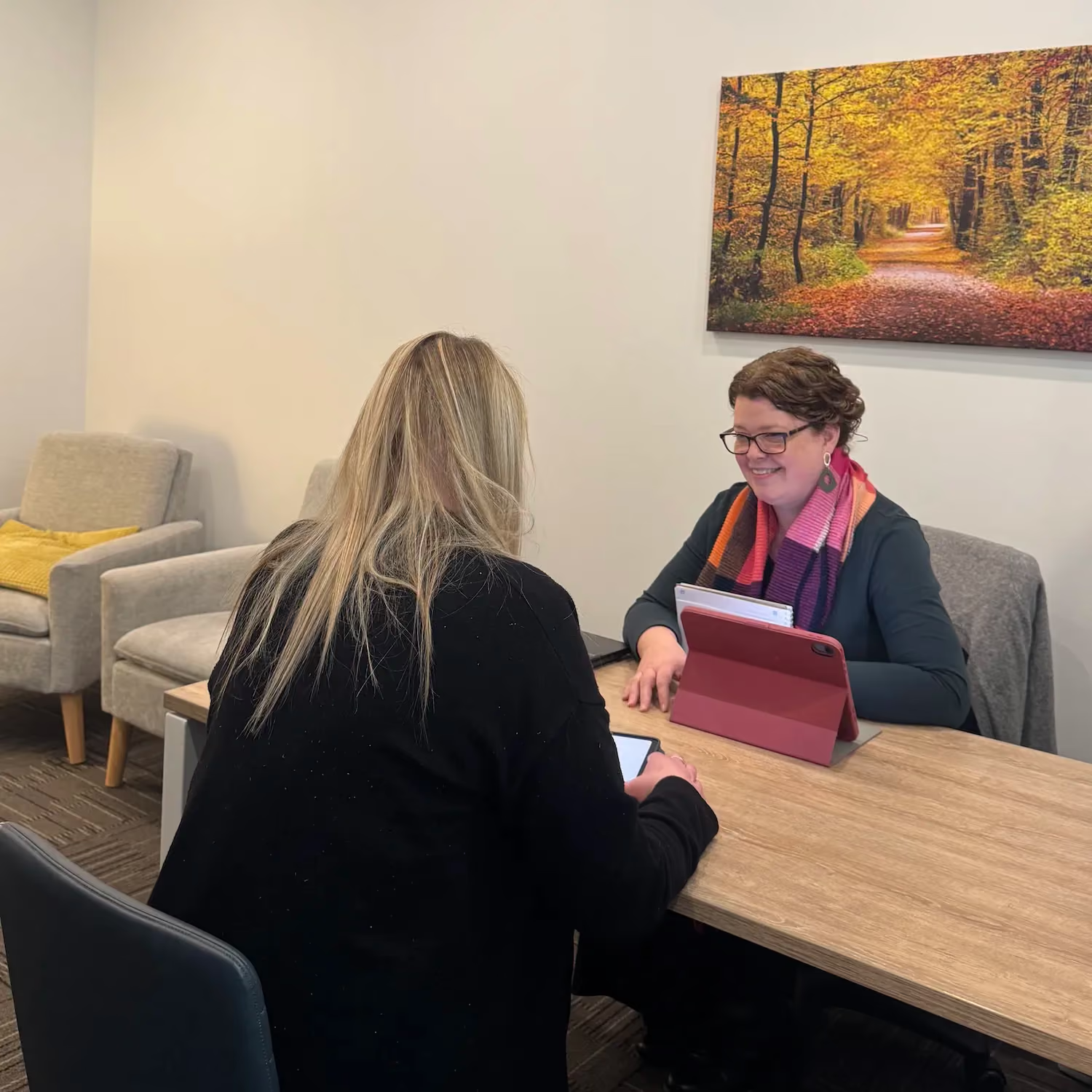
What a neuropsychological assessment can help with
- Understand changes in memory, thinking or behaviour and what may be contributing to them
- Identify cognitive strengths and difficulties across areas such as memory, attention, language and problem-solving
- Clarify or investigate a diagnosis, and understand how it may be affecting everyday life
- Understand the impact of brain injury, illness or other health conditions on thinking and daily functioning
- Assess decision-making and functional capacity where this is clinically relevant
- Guide practical supports and treatment, with recommendations for home, work, study and everyday life
What a neuropsychological assessment involves
Clinical interview
Understanding your concerns, history and everyday functioning.
Review of information
Considering relevant medical, psychological, educational and other reports.
Cognitive testing
Exploring memory, attention, thinking, language and problem-solving.
Everyday functioning
Understanding how difficulties affect daily life, work, study or independence.
Clinical formulation
Bringing the information together to understand your strengths and difficulties.
Feedback & recommendations
Explaining the findings and providing practical, tailored recommendations.
Assessments are conducted by a clinical neuropsychologist: a specialist with advanced training in the assessment, diagnosis and treatment of brain conditions affecting memory, learning, attention, language and decision making. The assessment involves approximately 12–14 hours of clinician time, including assessment, scoring and interpretation, feedback and report writing. The total time varies depending on the complexity of the assessment.
How it works
Getting started takes a few simple steps.

Enquire
Call our Intake Team on (03) 9872 6255 or send an enquiry. They will talk through your concerns, explain the process, and book the right assessment.

Assessment sessions
A clinical interview followed by a testing session, usually about 3 hours in total, and scheduled at a pace that suits you or your child.

Feedback and report
A dedicated feedback session walks you through the results, followed by a comprehensive written report with clear recommendations and next steps.
Our clinical neuropsychologists
Meet the specialists who conduct our neuropsychological assessments.


Assessment fees
The clinical neuropsychologist package fee is currently published as $2,200 to $2,500 + GST. Our Intake Team will confirm the exact fee for your situation when you enquire. Additional fees apply for assessments conducted for legal purposes.
Common questions
How long does a neuropsychological assessment take?
The assessment process typically involves an initial clinical interview, followed by cognitive and memory testing, with testing sessions usually taking around 3 hours. The overall assessment involves approximately 12–14 hours of clinician time, including assessment, scoring, interpretation, feedback and preparation of the comprehensive written report. The time required can vary depending on the complexity of the assessment and the questions being explored.
Do I need a referral for a neuropsychological assessment?
A referral is not always required. You can contact our Intake Team directly to discuss your concerns and whether a neuropsychological assessment is appropriate. Where relevant, we may recommend obtaining information from your GP, specialist, school or other health professional to help inform the assessment.
What is the difference between a psychologist and a neuropsychologist?
A psychologist can provide assessment and treatment for a wide range of mental health, emotional and behavioural concerns. A clinical neuropsychologist is a psychologist with specialised training in understanding the relationship between brain functioning and thinking, memory, learning, attention, language and behaviour. Neuropsychological assessments use specialised cognitive and memory testing to understand a person's pattern of strengths and difficulties and how these may affect everyday functioning.
Get in touch
Call our intake team on (03) 9872 6255, email info@dspsychology.com.au, or send an enquiry and we will walk you through the process.