
Educational & Developmental Assessments
If you or someone you care about is having trouble with learning, concentration or behaviour, an assessment can provide real understanding, and open the door to the right support, funding and next steps.

Why an assessment helps
- Understand why learning, attention or behaviour may be difficult
- Identify strengths and areas where extra support may be needed
- Understand what may be affecting learning, school or academic performance
- Provide practical recommendations and strategies for home, school or work
- Support access to school adjustments, exam arrangements, funding and other supports
Our assessments
Cognitive assessment
A comprehensive assessment of cognitive abilities, commonly known as an IQ test. Useful for understanding learning potential, giftedness, and where extra support will help.
Educational assessment
Cognitive and academic testing combined, to explore the nature of learning difficulties or diagnose specific learning disorders such as dyslexia.
Autism assessment
A comprehensive assessment to investigate whether an individual meets the diagnostic criteria for Autism Spectrum Disorder. Medicare rebates may be available for people under 25.
ADHD Assessment
A comprehensive assessment to determine whether an individual meets the diagnostic criteria for Attention-Deficit/Hyperactivity Disorder, with recommendations for support at school, work and home.
How it works
Getting started takes a few simple steps.

Enquire
Call our Intake Team on (03) 9872 6255 or send an enquiry. They will talk through your concerns, explain the process, and confirm the right assessment. Please allow approximately 5 minutes.

Assessment sessions
A clinical interview followed by tailored assessment sessions, with the time required depending on the type and complexity of the assessment. A cognitive assessment may take up to 2 hours, while a more comprehensive assessment addressing multiple concerns may take up to 6 hours, spread across multiple sessions.

Feedback and report
A dedicated feedback session walks you through the results, followed by a comprehensive written report with clear recommendations and next steps.
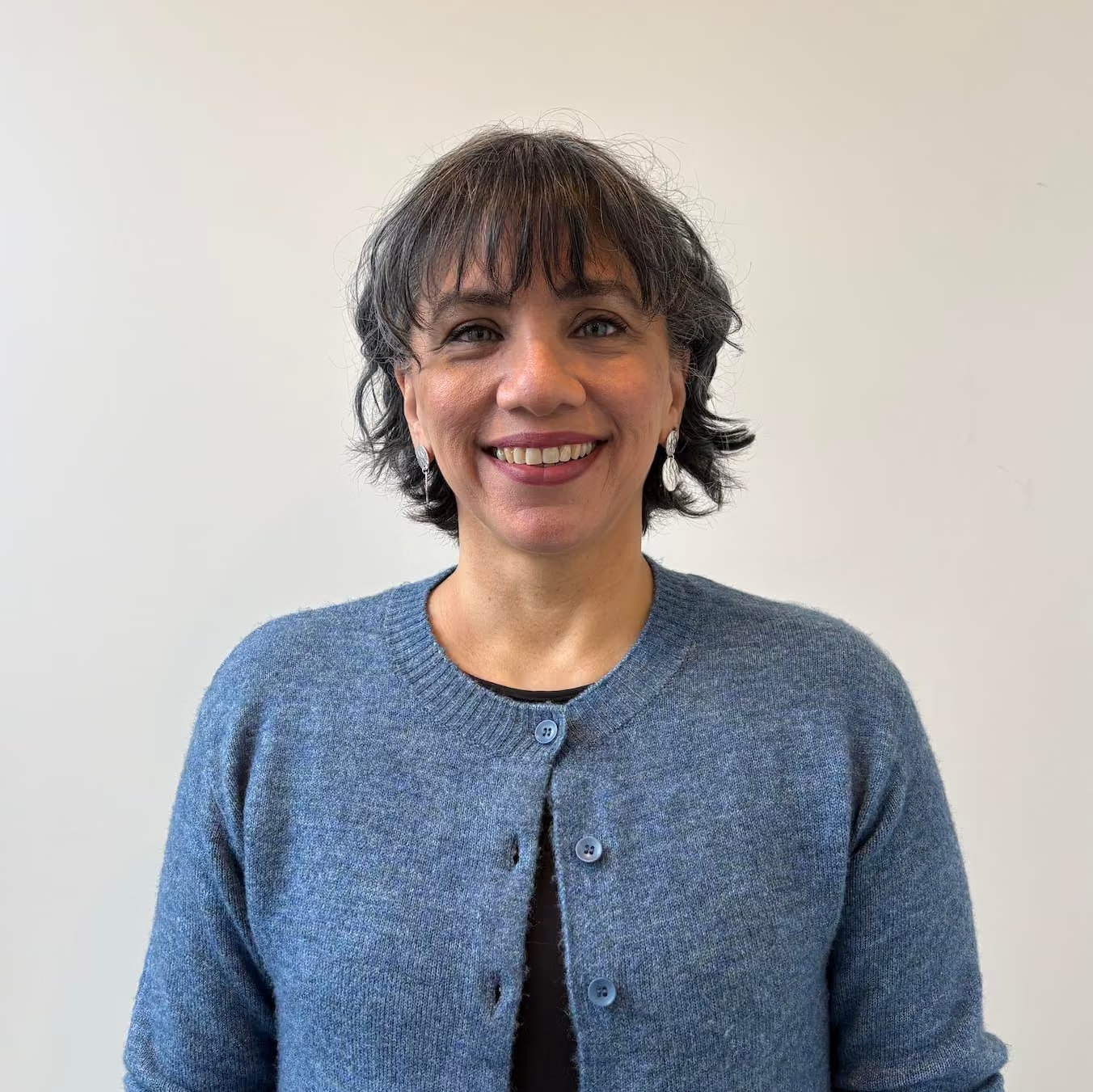
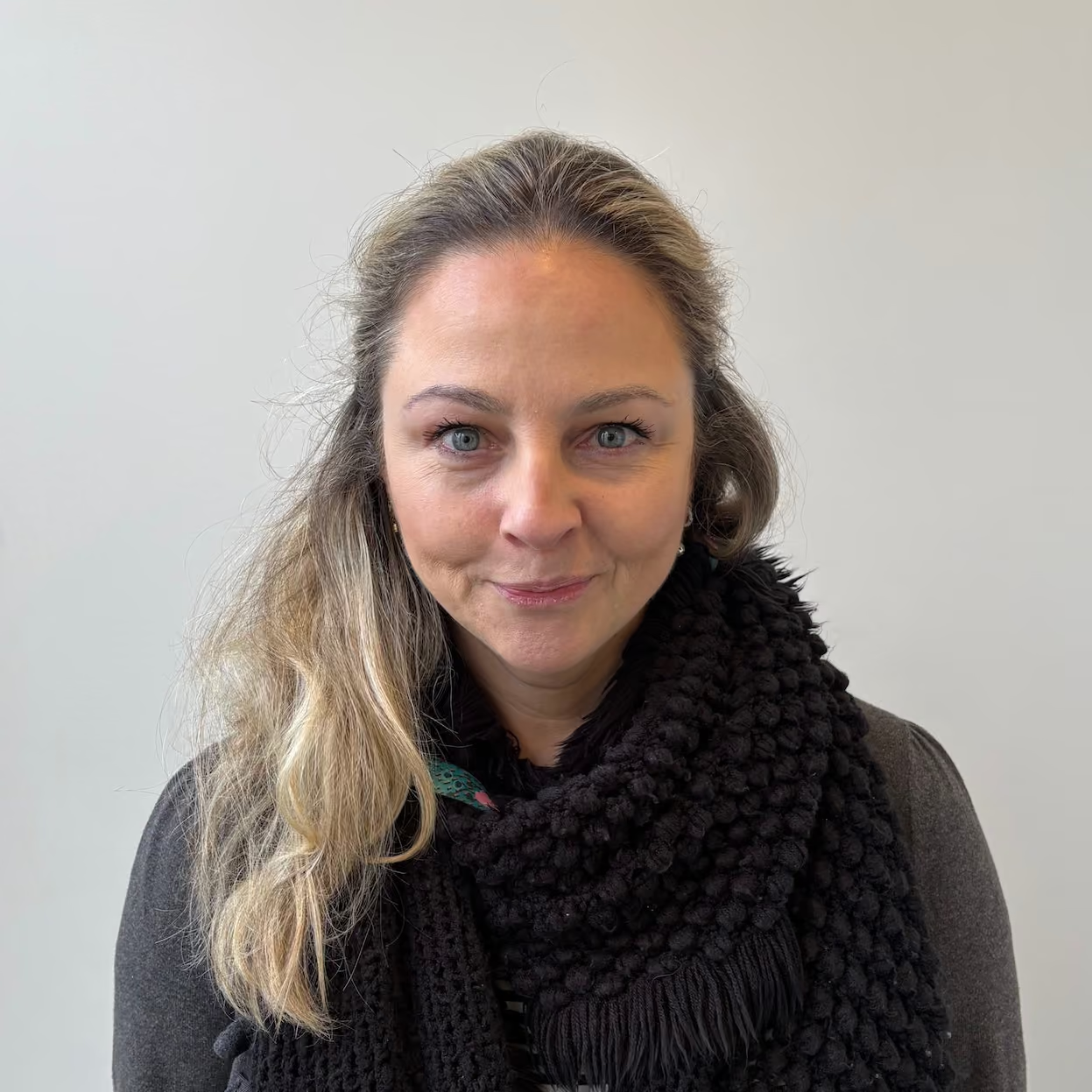
Our clinical assessment team
Meet the psychologists and neuropsychologists who conduct our educational and developmental assessments.










Fees and funding
Assessment fees vary by type and complexity: our Intake Team will confirm the fee when you enquire. Medicare rebates may apply for autism assessments for people under 25, and assessments can support access to NDIS and other funding.
Common questions
What types of educational and developmental assessments do you offer?
We offer cognitive, educational, autism and ADHD assessments for children, teenagers and adults. Depending on your concerns, assessments can explore cognitive abilities and learning potential, learning difficulties such as dyslexia, or whether someone meets the diagnostic criteria for autism or ADHD.
What happens during an assessment?
The assessment process is tailored to the person and the questions we are trying to answer. It may involve discussion about your concerns and background, questionnaires and a range of tasks designed to understand thinking, learning, attention and other areas of development. For children, parents or caregivers are usually involved in providing background information. At the end of the assessment process, your psychologist will explain the findings and provide practical recommendations relevant to home, school, work or everyday life.
How can I prepare for an assessment?
There is usually no need for extensive preparation. The most important thing is to arrive rested and ready to give the tasks your best effort. For children, it can help to explain that they will be doing some activities and puzzles with a psychologist, without putting pressure on them to get everything right. We will let you know if there is anything specific you need to bring or complete beforehand.
Get in touch
Call our intake team on (03) 9872 6255, email assessments@dspsychology.com.au, or send an enquiry. Please allow 10 to 15 minutes so we can understand your needs properly.